One of my guilty pleasures is sports-based series on Netflix – they’re informative, dramatised and loosely factual insights into sports I’d otherwise know nothing about. It turns out I love all sports – Formula 1 racing, golf, sprint running – when they’re as entertaining and accessible as possible.
One of the many curious things that keeps coming up is the approach to winning:
“Winning is all that matters to me.”
“I’m only here to win”
“No-one wants this more than I do.”
“Nobody cares who’s second best.”
It’s amazing how many ways there are to express an idea without adding depth or nuance, but you hear this stuff over and over. What’s more, many of these statements are made in the context of performance anxiety and pressure – wouldn’t a lighter perspective help?
Of course, Netflix has an obvious role in extracting only the most catchy, rivalry- stoking lines from its subjects, and the sportspeople themselves may well nurture a more nuanced and learning-oriented mindset. And to be fair, these notions are easy to rally behind, even if they’re not that helpful. But I think this says a lot about our collective values – or at least those broadcast by big media – when the messaging really is all about the win.
Perhaps I shouldn’t expect too much from Hollywood, but it matters how big stories and sporting moments reach us because this is often how we’re inspired. If everything is framed as winning or losing, we’ll develop a relationship with challenge that’s distorted: optimised for attention and status, not growth or experience. That makes us likely to avoid hard things, especially if we can’t make ‘1st place’, which isn’t exactly the best way to learn and improve – or have a good time. We’ll also tie our self-worth to outcomes and treat failure as a threat. To be the best at what we do, we need to recognise all sorts of learning and progress, but a winning-is-everything mentality frames failure as a definitive loss, rather than information that could be useful.
Refreshingly, I found a perfectly worded alternative last week, in the place all good and nuanced ideas come from – an email newsletter. The writer (James Clear) asked: Are you playing a game worth losing?
This really hits the spot for me. If what you’re doing is worth it even if you ‘lose’, you’re probably playing the right game. If you can enjoy moving, learning, trying hard, being focused or just being outside with your friends, then falling off your project is unlikely to ruin your day.
What’s more, this doesn’t remove the reward of ‘winning’. You can still be driven, pursue your goals and care about your climbing (and you’re probably more likely to send being focused on the climbing itself, not just the outcome).
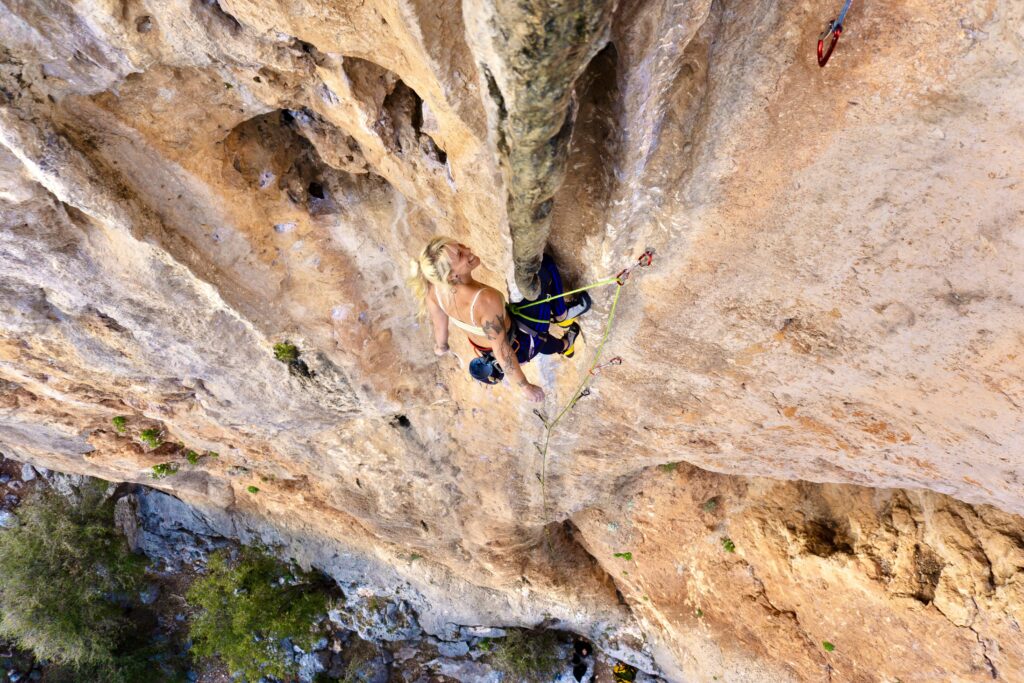
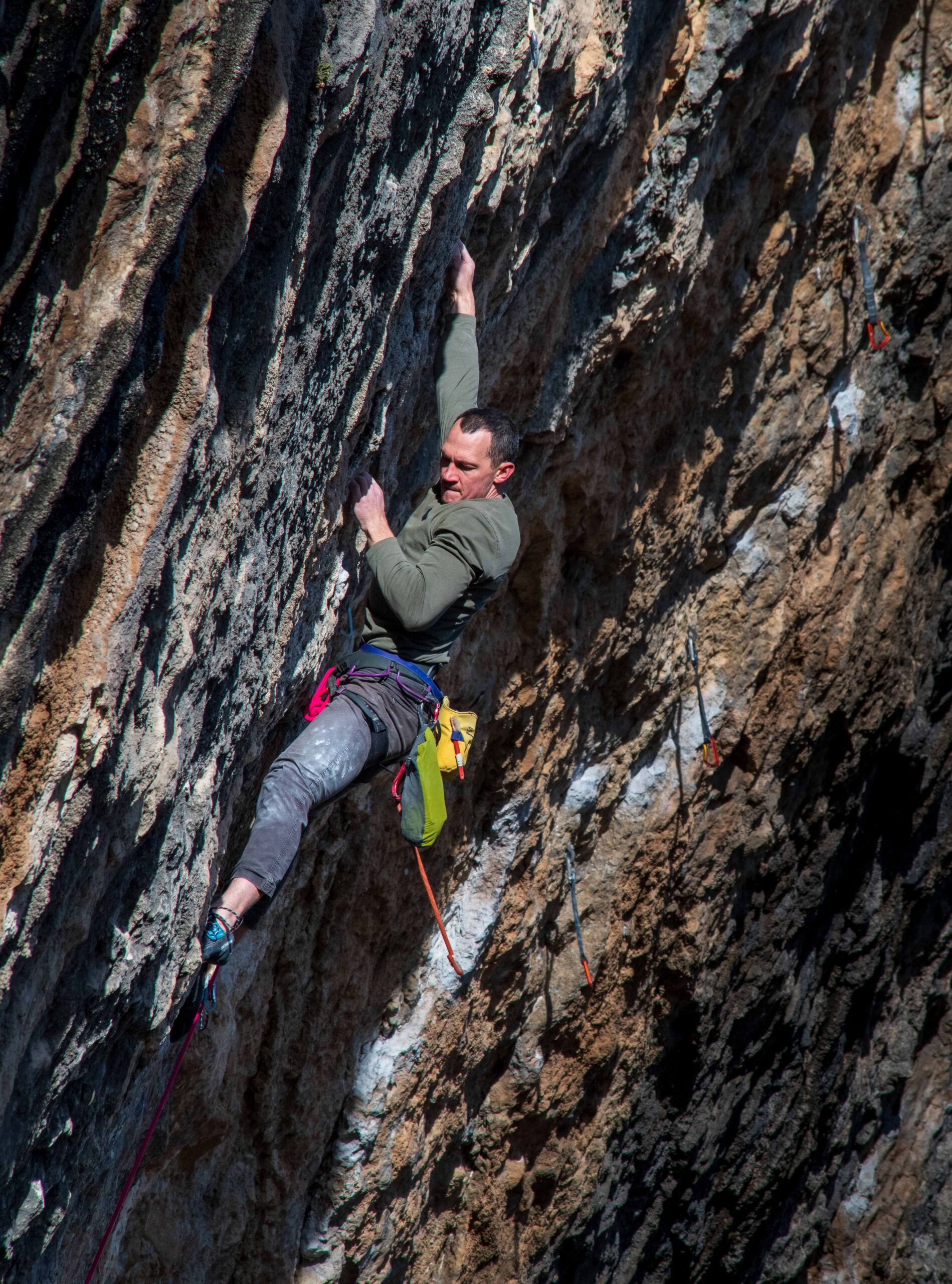
I think we can make it a game worth losing. We can reframe our own challenges or pick ones that don’t just pay off when you ‘win’. We can lean into the experience and all the tiny bits of learning, so that we find rewards and progress all the time. When we treat climbing as our own game, we step out of a threatening win/lose mindset and into one built on positivity, creativity and play.
We don’t have this choice with everything – there are plenty of things we can’t afford to ‘lose’. But in the challenges we choose, and the goals we pick, we can make it a game we really want to play.
What do you think? What game are you playing at the moment?